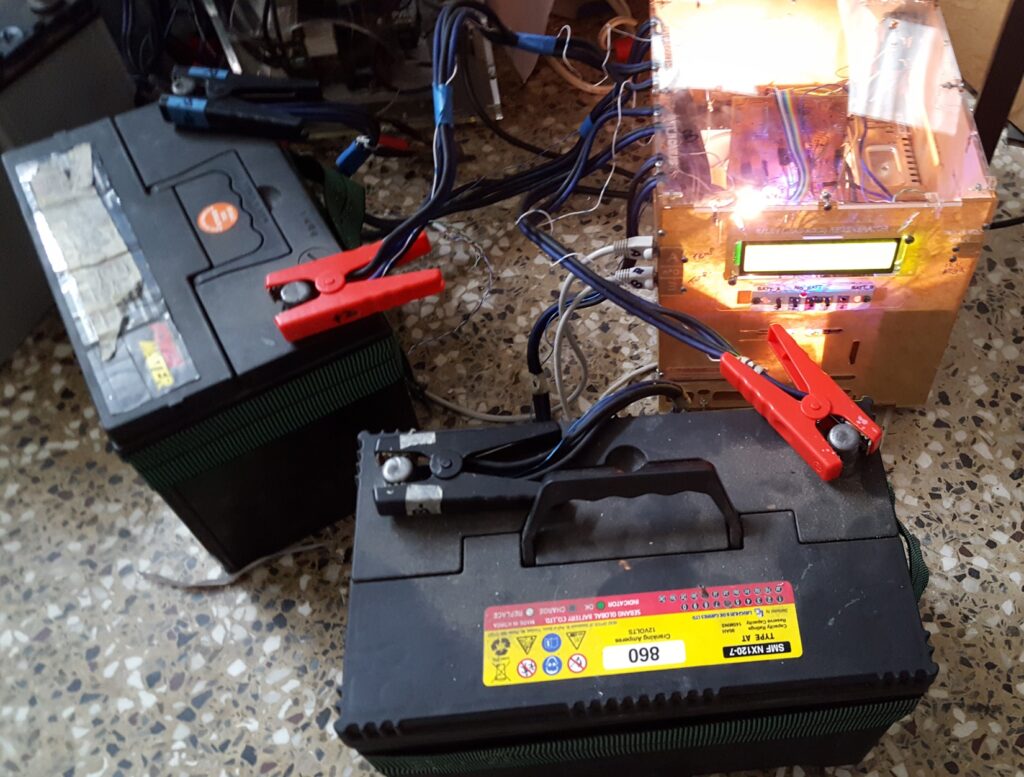
LEAD ACID BATTERY

🔋 Important Details About Lead-Acid Batteries

Basic Chemistry & Working Principle

  • Lead-acid batteries use lead dioxide (PbOâ‚‚) as the positive plate, spongy lead (Pb) as the negative plate, and sulfuric acid (Hâ‚‚SOâ‚„) as the electrolyte.

  • Energy is stored and released through a reversible chemical reaction between lead, lead dioxide, and sulfuric acid.

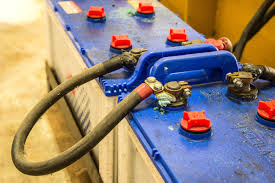
Types of Lead-Acid Batteries

a. Flooded (Wet) Lead-Acid

  • Requires periodic water topping.

  • Durable and low cost.

b. VRLA (Valve-Regulated Lead-Acid)

  • Sealed and maintenance-free.

  • Includes AGM and Gel types.

c. Deep Cycle

  • Designed for repeated charging and discharging.

Key Advantages

  • Cost-effective energy storage.

  • Reliable performance for decades.

  • High surge currents, good for automotive starting.

  • Recyclable—over 95% of materials can be reused.

  • Robust and resistant to abuse.

Applications

  • Lead-acid batteries are widely used in:
  • Automotive (car, truck, bike)

  • UPS and backup systems

  • Solar power storage

  • Industrial equipment (forklifts, scrubbers)

  • Telecom towers

  • Marine and RV systems

  • Inverters and home backup systems

Limitations

  • Heavy due to lead content.

  • Lower energy density than lithium batteries.

  • May require maintenance (flooded models).

  • Sensitive to overcharging and deep discharge.

desulfation mode

Maintenance (for Flooded Type

  • Check and top-up electrolyte levels.

  • Keep terminals clean and tight.

  • Avoid overcharging to limit water loss.

  • Use proper ventilation to release gases

Get To Ready?

Get ready for the installation replacement and selling of car battery in Dubai.

Scroll to Top
0

Subtotal